



Used bulk feeders / bulk conveying equipment for sale (42)


 Wekerom
 Stainless steel screw conveyor dosing screw


 Mettet
 Bulk feeder
CERICAlimentateur ABC8.20


 Germany
 Tipping and Sorting System
Skako/Ventzki50D/NEE 511-111-S

+49 201 857 86 180


 Kerpen
 Bulk material conveyor
EigenbauKippmulde


 Kuppenheim
 Bulk material conveyor
DGSSSF600P50
Discover more used machines


 Sinsheim
 Spiral conveyor with double spiral used
PURATEX Anlagetechnik GmbHSS D 280 R


 Wekerom
 Screw conveyor stainless steel conveyor screw


 Radeberg
 Receiving conveyor box feeder
KEMAKBR 1250-8


 Dievogala
 Screw conveyor
WenglorzPSR 350


 Poznań
 Bandförderer
PelettoBandförderer PT-250 + Ventilatoren


 Włocławek
 Bulk feeder
Przenośnik taśmowy10m / 0,55m


 Prikraj Križevački
 Larger dispenser
Strojrem d.o.o.Mobilni transportni trak


 Wekerom
 Screw dosing screw dosing machine
Van Beek


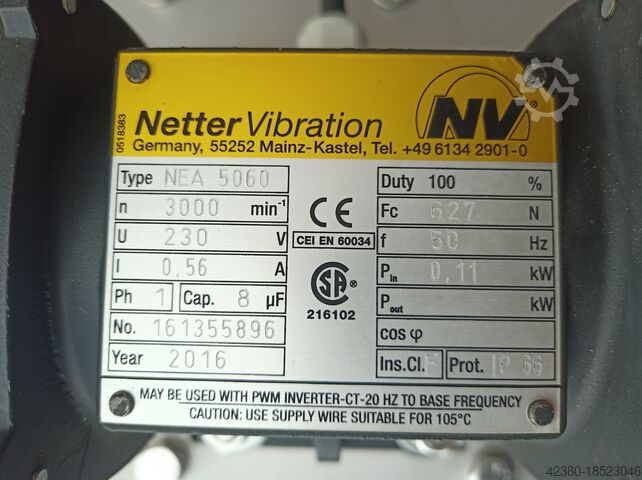


 Radeberg
 Stainless steel rotary valve
KreiselADG 630x800-11 LUG


 Wekerom
 Stainless Steel Pipe Screw Conveyor WAM
WAM HollandTX250


 Radeberg
 Screw conveyor Pipe screw conveyor
UnbekanntØ200mm L=5500mm


 Wekerom
 Stainless Steel Pipe Screw Conveyor WAM
WAM HollandTX250
How can I spot good Bulk feeders / bulk conveying equipment?
To determine the quality of bulk feeders and conveying equipment, start by checking the machinery's overall condition. Look for signs of well-maintained equipment such as minimal wear and tear, clean components, and lack of rust or corrosion. Assess the feeder's ability to handle the specific type of materials you will process, ensuring it can manage the required volume and type without frequent blockages or malfunctions.
Operational Performance
Testing the equipment before purchase is crucial. Observe how smoothly and efficiently the machine operates; a good bulk feeder should demonstrate consistent performance without excessive noise or vibrations. Evaluate the control system as well. A modern and intuitive control panel is a significant plus, offering easier operation and the ability to fine-tune settings for optimal performance.
Manufacture and Design
Consider the reputation of the manufacturer and the design quality of the bulk feeder. Equipment from respected manufacturers usually ensures better reliability and availability of parts. Furthermore, check if the design and build of the equipment meet current industry standards and safety regulations, which not only impact the longevity of the machine but also worker safety during operation.
Service History and Support
Request and review the service history of the equipment to look for regular maintenance records and past major repairs, which can be indicators of reliability and previous issues. Additionally, verify availability of manufacturer support, including customer service, technical assistance, and the availability of spare parts. Strong post-sale support is essential for maintaining the equipment effectively and minimizing downtime.
To determine the quality of bulk feeders and conveying equipment, start by checking the machinery's overall condition. Look for signs of well-maintained equipment such as minimal wear and tear, clean components, and lack of rust or corrosion. Assess the feeder's ability to handle the specific type of materials you will process, ensuring it can manage the required volume and type without frequent blockages or malfunctions.
Operational Performance
Testing the equipment before purchase is crucial. Observe how smoothly and efficiently the machine operates; a good bulk feeder should demonstrate consistent performance without excessive noise or vibrations. Evaluate the control system as well. A modern and intuitive control panel is a significant plus, offering easier operation and the ability to fine-tune settings for optimal performance.
Manufacture and Design
Consider the reputation of the manufacturer and the design quality of the bulk feeder. Equipment from respected manufacturers usually ensures better reliability and availability of parts. Furthermore, check if the design and build of the equipment meet current industry standards and safety regulations, which not only impact the longevity of the machine but also worker safety during operation.
Service History and Support
Request and review the service history of the equipment to look for regular maintenance records and past major repairs, which can be indicators of reliability and previous issues. Additionally, verify availability of manufacturer support, including customer service, technical assistance, and the availability of spare parts. Strong post-sale support is essential for maintaining the equipment effectively and minimizing downtime.
Used bulk feeders / bulk conveying equipment (42)
Search Werktuigen now with more than 200,000 used machines:Browse through the most popular machine descriptions:

+49 201 857 86 180


