

Cement mill,clinker grinding plantClinker grinding mill / cement ball mill
cement grinding with air classifier


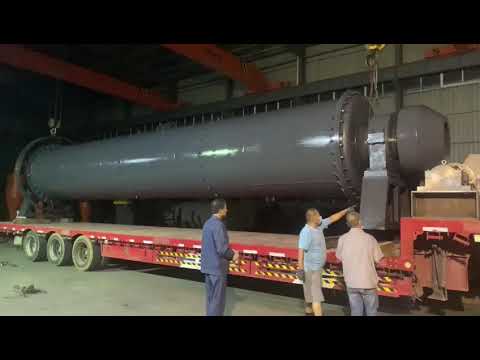


Machine data
- Machine type:
- Cement mill,clinker grinding plant
- Manufacturer:
- Clinker grinding mill / cement ball mill
- Year of construction:
- 2025
- Condition:
- new
- Functionality:
- fully functional
Price & Location
- Location:
- Dahuangye Industrial zone, XinXing East RD, Gongyi, 451200 Zhengzhou, China
Details about the offer
- Listing ID:
- A145-20358
- Update:
- 05.04.2025
Description
Here are key features and information about cement clinker grinding mills:
1. Raw Materials:
- The main raw material for making cement is clinker, which is produced by sintering limestone and clay. Other materials such as gypsum, fly ash, or slag may also be added during the grinding process to achieve specific properties.
2. Grinding Process:
- The clinker and other additives are finely ground in the grinding mill to produce cement. The grinding process is a crucial step in cement production and contributes significantly to the final quality of the product.
3. Types of Mills:
- Ball Mills: Traditional ball mills are commonly used for grinding clinker. They operate by rotating a cylinder with steel grinding balls, causing the balls to fall back into the cylinder and onto the material to be ground.
- Vertical Roller Mills (VRM): VRM technology has become increasingly popular for clinker grinding. These mills use a rotating table with rollers to crush and grind the clinker, providing energy efficiency and a smaller footprint compared to ball mills.
4. Gypsum Addition:
- Gypsum is often added during the grinding process to control the setting time of the cement. It prevents flash setting of the clinker and facilitates the formation of a workable and pumpable cement paste.
5. Quality Control:
- Quality control measures, such as monitoring the fineness of the cement, chemical composition, and other properties, are implemented during the grinding process to ensure the final product meets the required specifications and standards.
6. Clinker Cooling:
- Before grinding, the clinker is produced by heating the raw materials in a kiln. The clinker is then cooled before entering the grinding mill to prevent excessive heat build-up during grinding.
7. Dust Collection and Environmental Considerations:
- Dust collectors and air pollution control systems are often employed to capture and control the dust generated during the grinding process, addressing environmental and safety concerns.
Gcsdpfxsq Nfbhs Ad Asa
8. Packaging and Storage:
- After grinding, the cement is typically stored in silos before being packaged in bags or dispatched in bulk for distribution to construction sites or for sale in the market.
Cement clinker grinding mills play a crucial role in the cement production process, and advancements in technology continue to improve the efficiency and environmental sustainability of the grinding process.
Seller
Registered since: 2024

Send inquiry
Telephone & Fax


 Wilhelmshaven
 BauerRTG RG 25 S


 Hungary
 API tube mill 355x15mm (A3801)API tube mill 355x15mm (A3801)


 Ireland
 Coffee Cartridge Filling & Packaging Lin€ 10,000 Euro


 Đakovo
 HMC


 Zheng Zhou Shi
 Fine powder grinding mill, clinker millSuperfine ball mill for micro powder


 Nauen
Nauen Kugelmühle VollrathEFC 200


 Cormano
 SarpSPA610V - SIR4105


 Zheng Zhou Shi
 Rod ball mill / Rod Grinding MillFor Sand and mining beneficiation plant


 Dordrecht
 AJCEABH400M JCB 3cx 4cx


 Suffolk
 Conveyor Lines Ltd2021 Z type conveyor from multihead weighing line

Werktuigen Trust Seal
What is the trust seal?
Werktuigen certifies selected sellers with the Werktuigen trust seal. Before approval, a standardized and comprehensive check is carried out by experienced Werktuigen staff.
What do we verify?

Check of
trade licence or commercial register extract
Verification of the dealer's
postal address
Validation of the
banking details
Verification of
accessibility to
main phone number
Credit report
may not contain negative criteria
Buyer complaints
can lead to withdrawal of the sealWhat does this mean for you as buyer?
The Werktuigen trust seal enables you, as a buyer, to identify trustworthy sellers who are very likely to do honest and righteous business, without having to do your own investigation.
Disagreements may of course still arise during the purchasing process. Werktuigen is not liable for any legal violations by buyers or sellers active on Werktuigen.